You’re Looking At Paddle Faces Wrong: Carbon Fiber, Kevlar, and What T700 Really Means

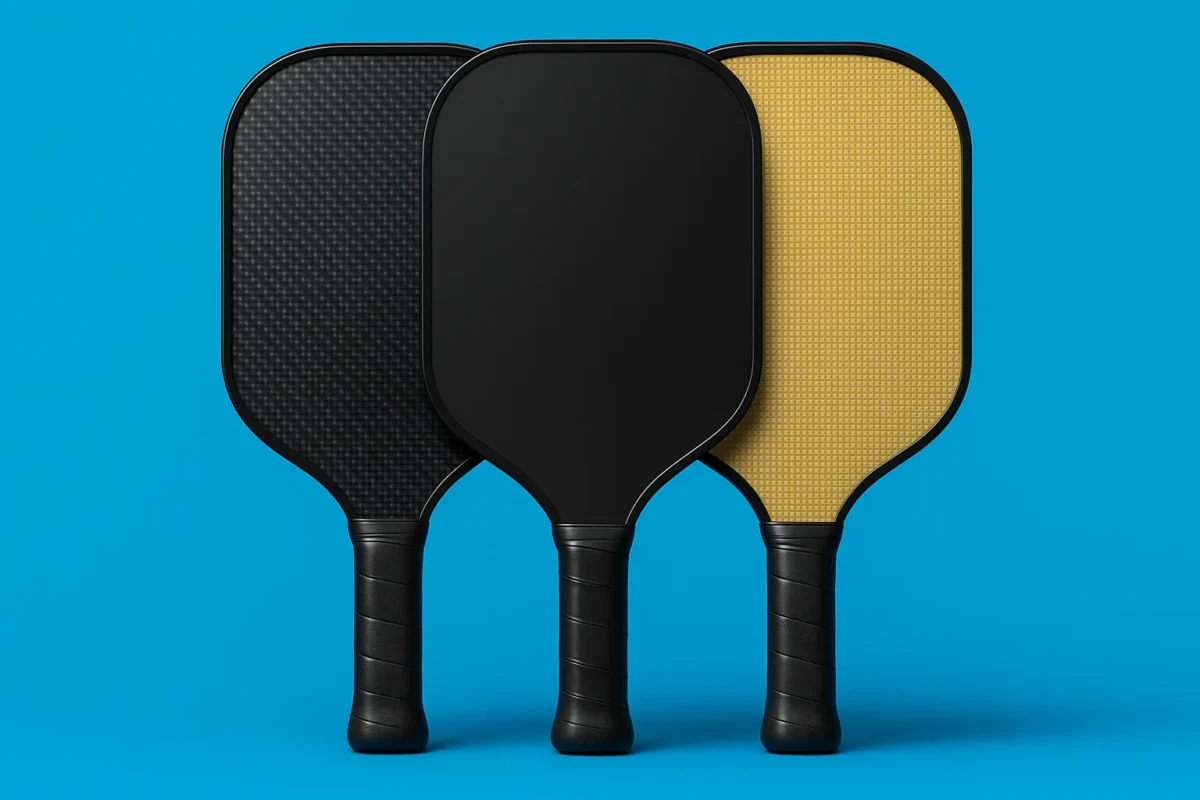
When you’re shopping for a pickleball paddle, the material on the face of the paddle can drastically affect how it performs. But with terms like T700, 18K, Toray, and Kevlar floating around, it can be hard to tell what’s marketing hype and what’s actually meaningful.
This guide breaks down the most common pickleball face materials — including the science behind them — so you can pick a paddle that fits your playstyle and performance needs.
Why the Paddle Face Matters
The face is the outer surface of the paddle that contacts the ball. It’s responsible for:
- Spin potential
- Power transfer
- Touch and feel
- Durability
Different materials offer different combinations of these qualities. While there are many surface materials used by different manufacturers, let’s look at the most common face materials used today.
Carbon Fiber
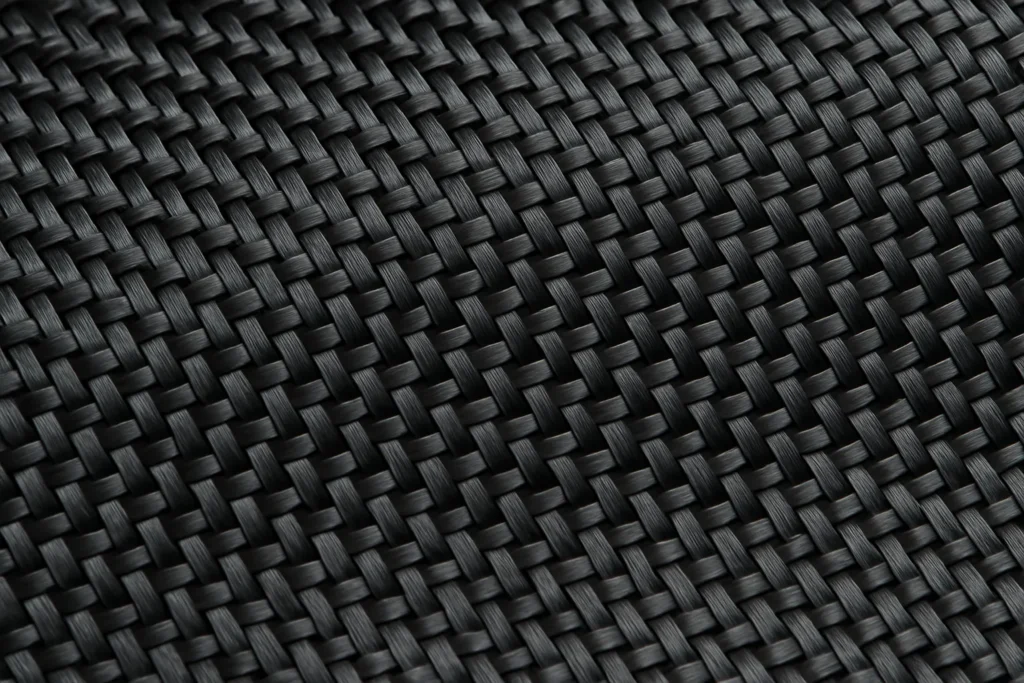
Carbon fiber is one of the most popular materials for high-performance paddles. It’s strong, lightweight, and naturally textured — which makes it excellent for spin and control.
Why Most Paddles Use T700 Carbon Fiber
When it comes to carbon fiber, tensile strength plays a key role in how a paddle performs. Simply put, it measures how much stretching the material can withstand before it breaks.
- Lower tensile strength carbon fibers (like T300 or T500) tend to offer more flex, which translates to greater control and softer touch.
- Higher tensile strength fibers (like T800 or T1000) are stiffer and offer more pop and power, but they can reduce touch and feel on delicate shots.
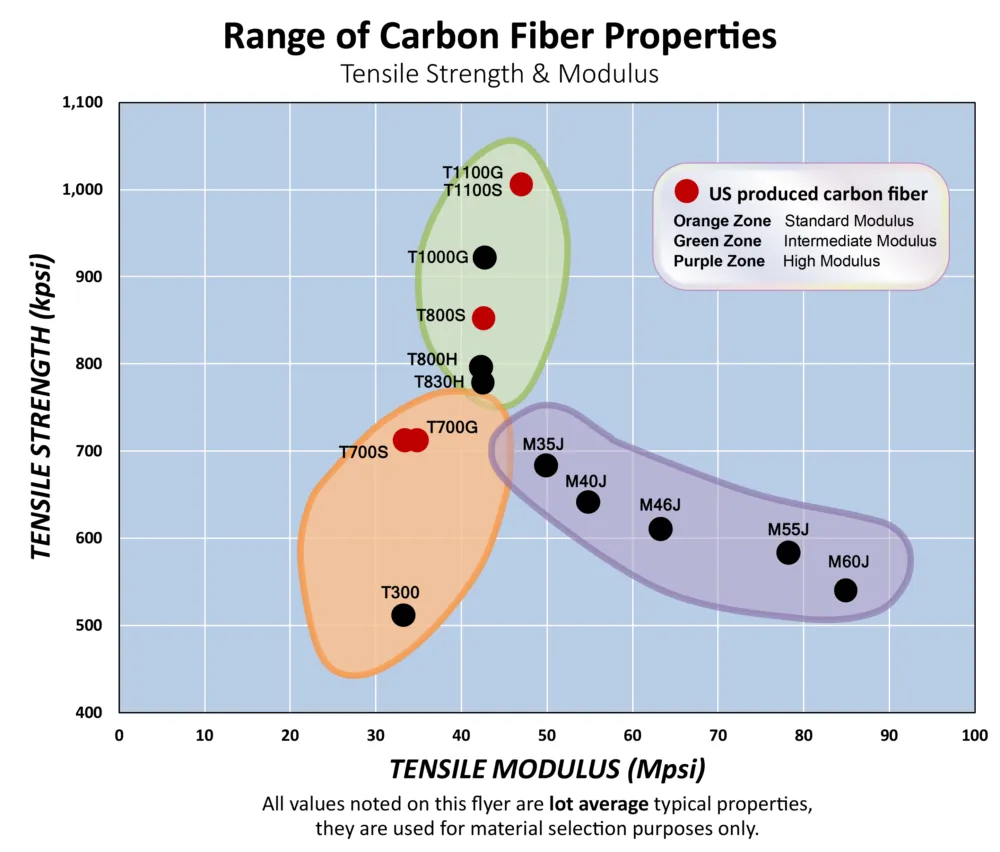
That’s why many pickleball paddle manufacturers have standardized around T700 — it strikes the right balance between control and power, giving players the versatility needed for both driving the ball and resetting at the kitchen line. It’s strong, responsive, and reliable across different playstyles.
What Does “18K” Mean?
When you see 18K, 12K, or 3K in paddle descriptions, that refers to the number of tows — or bundles of carbon filaments — woven into the face:
- 3K = 3,000 filaments per tow
- 12K = 12,000 filaments per tow
- 18K = 18,000 filaments per tow
Higher tow counts usually mean a tighter, more rigid weave, which can influence paddle stiffness and power. Here’s how they generally compare:
| Tow Count | Spin Potential | Feel | Power |
|---|---|---|---|
| 3K | Moderate | Softer, more control | Moderate |
| 12K | Slightly more spin | Balanced | Slightly more power |
| 18K | High | Stiff, responsive | High |
What Is Toray Carbon Fiber?

Toray is a Japanese manufacturer known for producing some of the world’s highest-quality carbon fibers. If a paddle advertises “Toray T700,” it means it uses authentic Toray-manufactured carbon, which is known for consistency, strength, and durability. It’s a good sign — not all carbon is created equal.
Titanium (polyester weave)
Titanium (polyester weave) was introduced in 2024 as a new face material in the pickleball world, offering an alternative to traditional carbon fiber and fiberglass. Despite the name, it’s not made of actual metal. Instead, it’s a polyester-based fiber designed to provide a softer, more controlled feel. This material is often marketed as “titanium weave” due to its sleek appearance, but its performance leans more toward touch and control than raw power.
How “Titanium” Weave Actually Performs
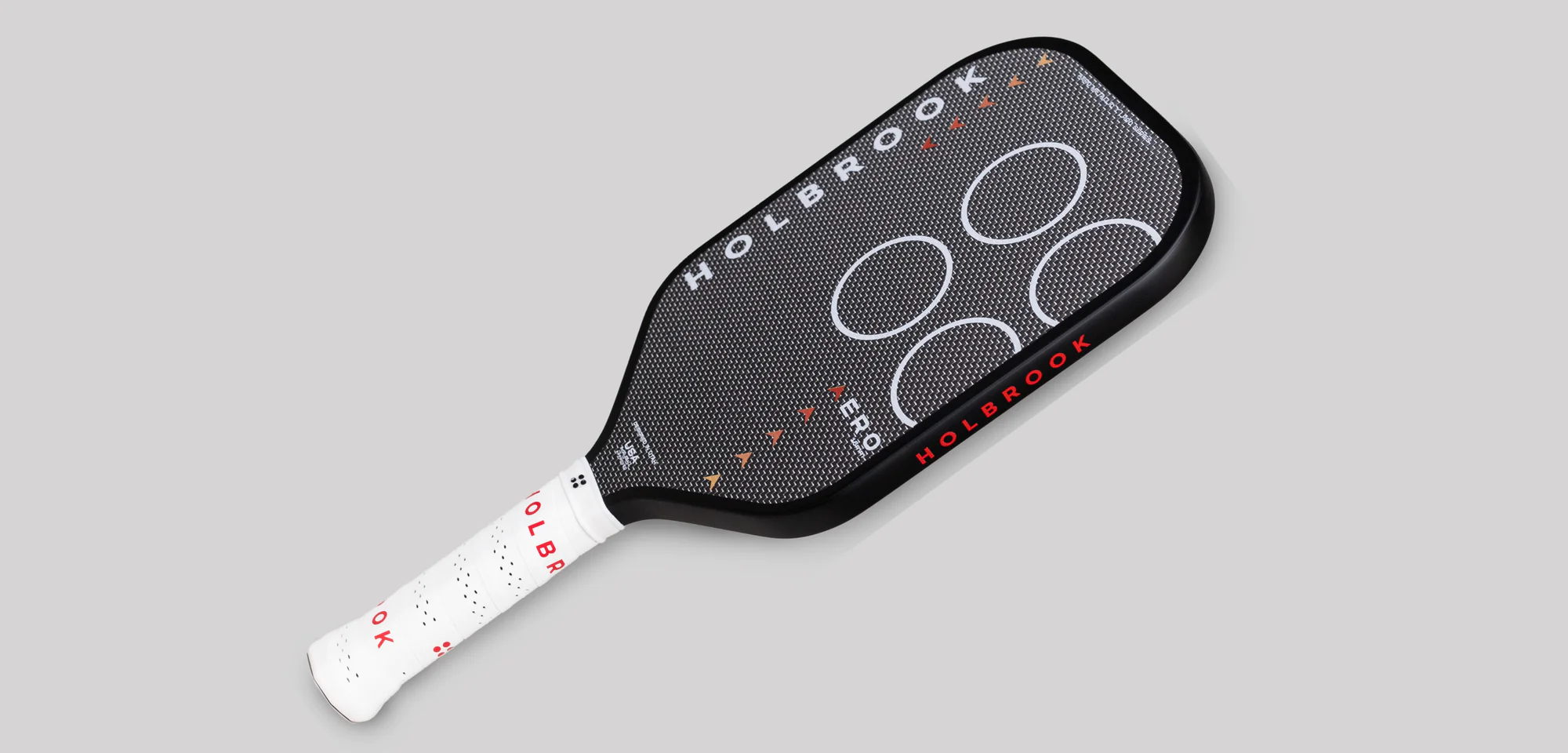
The polyester-based material used in these faces does offer some unique playing characteristics, especially when compared to stiffer materials like carbon fiber.
Softer Feel, More Control
PET (polyethylene terephthalate), the material behind most “titanium” weaves, is naturally more flexible and softer than carbon fiber. That flexibility means the paddle face absorbs more energy on impact, which leads to:
- Increased dwell time (the ball stays on the paddle longer)
- Improved control on soft shots, drops, and resets
This makes titanium weave paddles appealing to players who prefer a more controlled, touch-oriented game.
Less Power, Similar Spin
With this softer feel you’ll usually experience:
- Less pop and power on drives or overheads
- Similar spin generation as carbon fiber paddles depending on texture construction
So while titanium PET paddles offer a smoother, more controlled experience, they don’t match the power and pop of raw carbon fiber faces.
Fiberglass (Composite)
Fiberglass is another popular face material, especially for beginner and intermediate paddles. It’s generally:
- More flexible than carbon fiber causing more of a rebound effect
- Better for power, especially for players who don’t generate a lot of their own
However, fiberglass faces typically have a surface texture to add spin which wears away faster than carbon fiber. They’re a solid choice for players who prioritize pop over touch or durability.
Kevlar and Aramid Fiber

This is where things can get confusing. Some brands advertise Kevlar, while others say aramid fiber — are they the same thing?
Aramid Fiber vs. Kevlar
- Aramid fiber is a class of strong synthetic fibers used in aerospace and military applications. It’s known for being lightweight, durable, and resistant to heat and abrasion.
- Kevlar is a brand of aramid fiber made by DuPont. So all Kevlar is aramid, but not all aramid is Kevlar.
In pickleball, brands may use generic aramid fibers or licensed DuPont Kevlar. Either way, these materials are known for:
- High impact resistance
- Soft, controlled touch
- Long durability life
Kevlar faces are usually a bit softer than carbon fiber and offer a more muted feel on contact, making them great for players who value control and defense.
Kevlar Uses “K” Naming Too — Just Like Carbon Fiber
Just like carbon fiber, Kevlar (and other aramid fibers) is woven into sheets using bundles of fibers called tows. These tows are grouped by the number of individual filaments they contain — and that’s where the “K” naming system comes in.
- 3K Kevlar = 3,000 filaments per tow
- 12K Kevlar = 12,000 filaments per tow
- 18K Kevlar = 18,000 filaments per tow
This naming system mirrors how carbon fiber is labeled. In general:
- Lower K counts (like 3K) produce a lighter, more flexible weave with a softer feel.
- Higher K counts (like 12K or 18K) create a tighter, stiffer weave that can provide more power, spin, and responsiveness.
So when you see a paddle listed with something like “12K Kevlar,” it’s referring to the density of the fiber weave, not its strength rating or brand. The K number affects feel, weight distribution, and stiffness, just as it does with carbon fiber.
Understanding the K system helps you compare materials more accurately and gives insight into how a paddle might feel during play.
How to Choose the Right Paddle Face Material
Here’s a quick breakdown of which material might suit you best:
| Material | Spin Durability | Feel |
|---|---|---|
| Carbon Fiber | High | Consistent control and power |
| Fiberglass | Low | High pop and power |
| Kevlar/Aramid | High | Soft feel and control |
If you’re serious about spin and control, look for raw carbon fiber, preferably from a trusted source like Toray. If you want more pop, fiberglass might be your best bet. And if you’re after control and softness, consider trying a paddle made with Kevlar or aramid fiber.
Final Thoughts: Don’t Fall for the Marketing Alone
Paddle face materials can make a big difference in how your paddle plays, but don’t get too caught up in the buzzwords. Just remember:
- T700 = durable, standard pickleball grade carbon fiber
- 18K = tightly woven carbon, often stiffer and more powerful
- Kevlar = high-quality branded aramid fiber
- Toray = high-quality branded carbon fiber
The right paddle depends on your playing style, not just the name on the label.